
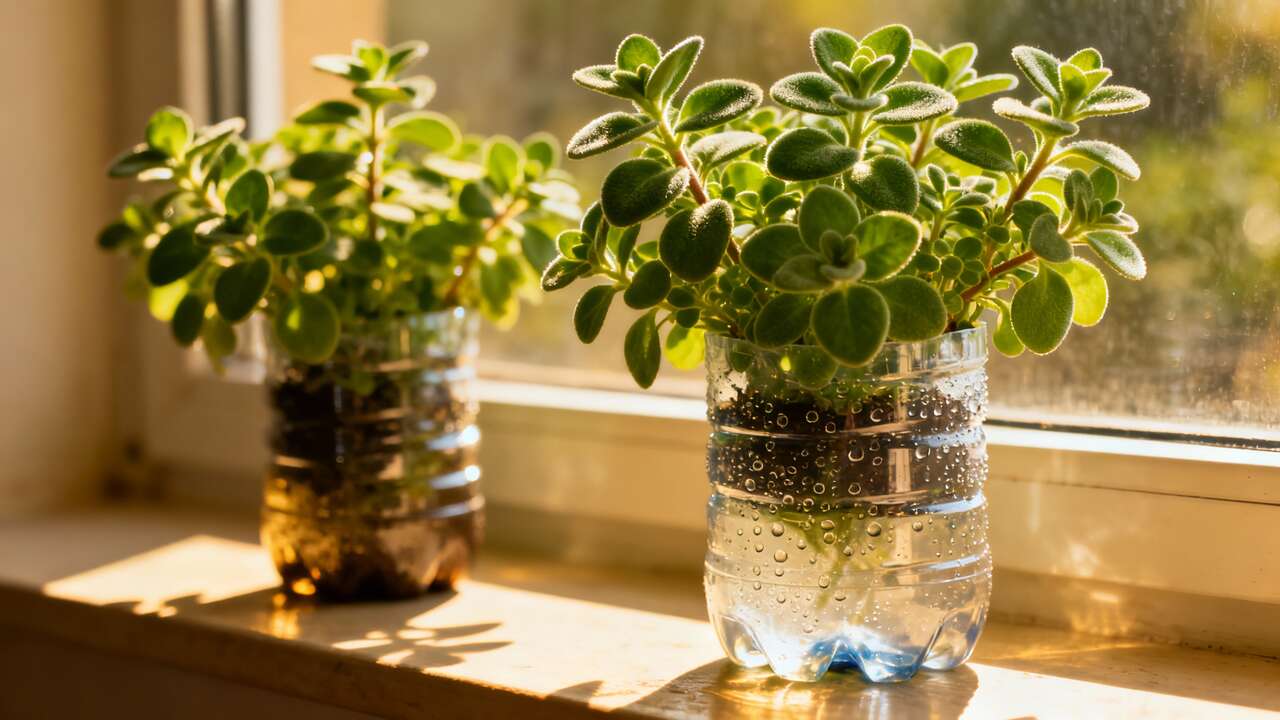

The practice of urban gardening is undergoing a significant transformation, driven by a dual desire for fresh, homegrown produce and a commitment to environmental sustainability. Among the many plants suitable for this movement, one herb stands out for its resilience and potent aroma: cuban oregano. This guide explores the straightforward process of cultivating this flavorful herb, not in traditional pots, but within the confines of a repurposed plastic bottle. This method marries the satisfaction of gardening with the practical, ecological act of recycling, offering a comprehensive pathway for even novice gardeners to achieve a thriving, edible plant from a simple cutting and a common piece of household waste.
Introduction to the aromatic herb: cuban oregano
What is cuban oregano ?
Despite its common name, cuban oregano, or Plectranthus amboinicus, is not a true oregano from the Origanum genus. It is a perennial herb belonging to the Lamiaceae, or mint, family. Native to parts of southern and eastern Africa, its journey across the globe has given it many names, including spanish thyme, mexican mint, and indian borage. The plant is characterized by its distinctive leaves: they are thick, fleshy, and covered in fine, velvety hairs, with a slightly scalloped edge. Its growth habit is fast and sprawling, making it an excellent ground cover in tropical climates or a lush, trailing plant in containers. While it can produce pale purple or white flowers on a spike, it is primarily cultivated for its highly aromatic foliage.
Sensory profile and characteristics
The defining feature of cuban oregano is its powerful aroma, which is released with even the slightest touch. The scent is often described as a pungent cross between traditional oregano, thyme, and mint. This complexity carries over to its flavor, which is robust and slightly peppery. Because of its potency, it should be used more sparingly in cooking than its milder Mediterranean namesake. The leaves have a succulent texture due to their high water content. This unique combination of scent, flavor, and texture makes it a versatile and memorable herb in any culinary application.
Benefits beyond the kitchen
Beyond its value as a seasoning, cuban oregano is a remarkably easy plant to grow, making it ideal for beginners. It is drought-tolerant and thrives in a variety of conditions, showing impressive resilience. Its rapid growth and attractive, vibrant green foliage make it a wonderful ornamental plant for balconies, windowsills, or garden beds. When planted alongside other vegetables, it can contribute to a healthier garden ecosystem. Its strong scent is also believed to deter some common garden pests, serving as a natural form of pest control. The ease with which it can be propagated from a simple stem cutting makes it a plant that is easy to share, spreading its benefits from one gardener to another.
The herb’s adaptability and simple propagation needs make it a perfect candidate for creative and sustainable gardening projects. This leads directly to considering how we can provide a home for this plant while also addressing a common environmental concern: plastic waste.
Reusing plastic bottles: an ecological approach
The challenge of single-use plastics
Single-use plastic bottles represent a significant environmental burden. Billions are produced globally each year, and a staggering percentage are not recycled, ending up in landfills or polluting natural ecosystems, particularly our oceans. The production of these bottles consumes fossil fuels and water, while their disposal contributes to long-term pollution, as plastic can take hundreds of years to decompose. Upcycling these items into useful objects like planters is a small but meaningful step toward a more circular economy. It gives a second life to an item destined for the trash, reducing waste and the demand for new manufactured goods. Below is a look at the typical lifecycle of a plastic bottle.
| Metric | Figure |
|---|---|
| Bottles sold per minute globally | Approximately 1 million |
| Annual plastic bottle production | Over 500 billion |
| Recycling rate in the US | Under 30% |
| Time to decompose | Up to 450 years |
Why plastic bottles are ideal planters
Recycled plastic bottles offer several distinct advantages for container gardening, especially for herbs like cuban oregano. They are a zero-cost resource, readily available in nearly every household. Their lightweight nature makes them easy to move and hang, perfect for vertical gardens or small spaces. Furthermore, plastic is durable and non-porous, which helps retain soil moisture longer than traditional terracotta pots. This can be particularly beneficial in warmer climates. Most importantly, they are incredibly easy to modify. With a simple cutting tool, you can create drainage holes, adjust the size, and even construct a self-watering system to ensure your plants receive consistent hydration.
Creating a self-watering bottle planter
A self-watering planter is an efficient way to keep plants like cuban oregano consistently moist without the risk of overwatering. You can easily make one from a single plastic bottle. Here is how:
- Step 1: Thoroughly clean a 1.5 or 2-liter plastic bottle and remove the label.
- Step 2: Carefully cut the bottle in half horizontally, about two-thirds of the way up from the bottom.
- Step 3: Invert the top funnel-shaped piece and place it inside the bottom reservoir piece. The neck of the bottle should point downwards but not touch the base.
- Step 4: Pierce a few small holes in the bottle cap or place a piece of fabric over the opening to hold the soil in. Then, run a wick, such as a strip of cotton cloth or thick yarn, through the opening, leaving part of it in the funnel and the rest dangling into the reservoir below.
- Step 5: Fill the top section with your soil mix and plant your cutting. Fill the bottom reservoir with water. The wick will draw water up into the soil as needed.
With a functional and eco-friendly container now prepared, the next focus is on obtaining and preparing the cuban oregano itself for its new home.
Preparing cuban oregano cuttings: step by step
Selecting a healthy parent plant
The success of propagation begins with the source. Choose a mature, healthy cuban oregano plant to take cuttings from. Look for a plant with vibrant, green leaves and thick, sturdy stems. Avoid any stems that appear yellow, wilted, or show signs of pests or disease, such as spots or webbing. A vigorous parent plant will produce cuttings that have a much higher chance of rooting successfully and growing into strong new plants. The best time to take cuttings is during the plant’s active growing season, typically in the spring or summer.
The proper cutting technique
Taking a cutting is a simple process, but a few key details ensure success. You will need a clean, sharp pair of scissors or a knife to make a clean cut and avoid crushing the stem’s tissues. Follow these steps for the best results:
- Identify a healthy stem that is at least 10 to 15 cm long.
- Make a clean cut just below a leaf node (the point on the stem where leaves emerge).
- Carefully remove the leaves from the bottom half of the cutting. This is crucial because any leaves left below the soil or water line will rot, potentially causing the entire cutting to fail.
- You should be left with a bare stem at the bottom and a cluster of three to four leaves at the top.
Rooting the cuttings effectively
Once you have your cutting, you have two primary options for rooting it. Both are highly effective for cuban oregano. The first method is to place the cutting in a glass of water, ensuring the bare stem is submerged but the leaves remain above the water line. Place it in a spot with bright, indirect light and change the water every few days. You should see roots appear within one to two weeks. The second method is to plant the cutting directly into your prepared soil mix. Dip the cut end in rooting hormone (optional, but it can speed up the process) and insert it into the moist soil. Keep the soil consistently moist until new leaf growth appears, indicating that roots have formed. Recent findings support the viability of this method; a July 2025 report confirmed that cuban oregano can be easily propagated from 10 to 15 cm cuttings, a practice that promotes sustainability through the use of recycled containers.
After your cutting has developed a healthy root system and is planted in its recycled bottle, the focus shifts from propagation to ongoing care to ensure it thrives.
Plant care and maintenance: practical tips
Ideal light and temperature
Cuban oregano flourishes in bright, indirect sunlight. A spot near an east-facing window that receives gentle morning sun is ideal for an indoor plant. If grown outdoors, it prefers a location with partial shade, especially during the intense heat of the afternoon, which can scorch its leaves. While it is a tropical plant that loves warmth, it is not frost-hardy. It grows best in temperatures between 18°C and 27°C (65°F and 80°F). If you live in a climate with cold winters, it is best to grow it in a container that can be easily brought indoors before the first frost.
Watering schedule and soil needs
Proper watering is key to a healthy cuban oregano plant. It is moderately drought-tolerant thanks to its succulent leaves, but it grows best in consistently moist soil. Water the plant thoroughly whenever the top inch of soil feels dry to the touch. Be careful not to overwater, as this can lead to root rot, a common issue in container plants. Excellent drainage is essential. Ensure your plastic bottle planter has several holes at the bottom to allow excess water to escape. The ideal soil mix is a well-draining one. A combination of standard potting soil, perlite or coarse sand, and a bit of compost will provide the right balance of moisture retention, aeration, and nutrients.
Pruning for a fuller plant
Regular pruning is beneficial for cuban oregano. It encourages the plant to grow bushier and more compact rather than tall and leggy. To prune, simply pinch or snip off the top few inches of the main stems. This will prompt the plant to send out new growth from the nodes below the cut, resulting in a fuller shape. Pruning also provides a steady supply of fresh leaves for your kitchen. In the spring, it is a good practice to remove any dead or woody stems that have accumulated over the winter to make way for fresh, vigorous growth.
With a well-cared-for plant now growing vigorously, the final and most rewarding step is to begin harvesting and enjoying its unique flavor.
Harvesting and using cuban oregano in cooking
When and how to harvest
You can begin harvesting leaves from your cuban oregano plant as soon as it is well-established and showing active growth, which is typically a few weeks after planting a rooted cutting. The best way to harvest is to snip off stems rather than plucking individual leaves. This method acts as a form of pruning, encouraging the plant to become bushier and more productive. Harvest in the morning after the dew has dried for the most intense flavor. You can harvest as needed, taking a few stems at a time, but avoid removing more than one-third of the plant at once to ensure it remains healthy and strong.
Culinary applications and flavor pairings
The bold flavor of cuban oregano lends itself to a variety of dishes, particularly in Caribbean, Latin American, and Southeast Asian cuisines. Its strong, herbaceous notes can easily overpower delicate flavors, so it is best used in robustly flavored dishes. The leaves can be used fresh or dried, though the flavor is more pungent when fresh. Finely chop the leaves to add to marinades, stuffings, and sauces. It pairs exceptionally well with the following:
- Meats: Excellent with grilled chicken, pork, lamb, and beef.
- Fish: Complements stronger-flavored fish like tuna or mackerel.
- Legumes: A classic ingredient in black bean soups and lentil dishes.
- Vegetables: Adds depth to roasted root vegetables and tomato-based sauces.
Preserving your harvest for later use
If you have an abundant harvest, there are several ways to preserve cuban oregano to enjoy it year-round. Drying is one of the most common methods. You can tie stems into small bundles and hang them in a dry, well-ventilated area away from direct sunlight. Once the leaves are brittle, crumble them and store them in an airtight container. Another excellent method is freezing. Finely chop the fresh leaves and place them in an ice cube tray, cover with water or olive oil, and freeze. These frozen cubes can be dropped directly into soups, stews, and sauces for a burst of fresh flavor.
This journey from a discarded bottle to a flavorful ingredient highlights a simple yet powerful fusion of gardening and recycling. By following these steps, anyone can successfully propagate cuban oregano, creating a sustainable source of fresh herbs while making a positive impact on the environment. It is a rewarding project that nourishes both the body and a sense of ecological responsibility.

- Why experts say you should open your windows when it rains—even if it feels wrong - 10 November 2025
- The ultimate ground cover: why Pachysandra beats weeds and shrugs off winter cold - 10 November 2025
- The secret to attracting robins year-round: why experts swear by these two must-have garden plants - 10 November 2025
Pubblicazioni simili :
 How to Grow Fennel Bulbs in Your Kitchen Garden Using Recycled Plastic Bottles
 How to Grow Rosemary Flowers in Plastic Bottles: A Step-by-Step Guide for Home Gardeners
 Grow Fresh Mint at Home in Plastic Bottles with Water: A Simple and Cost-Effective Guide
 How to Grow Basil in Recycled Plastic Bottles: A Step-by-Step Eco-Friendly Guide