
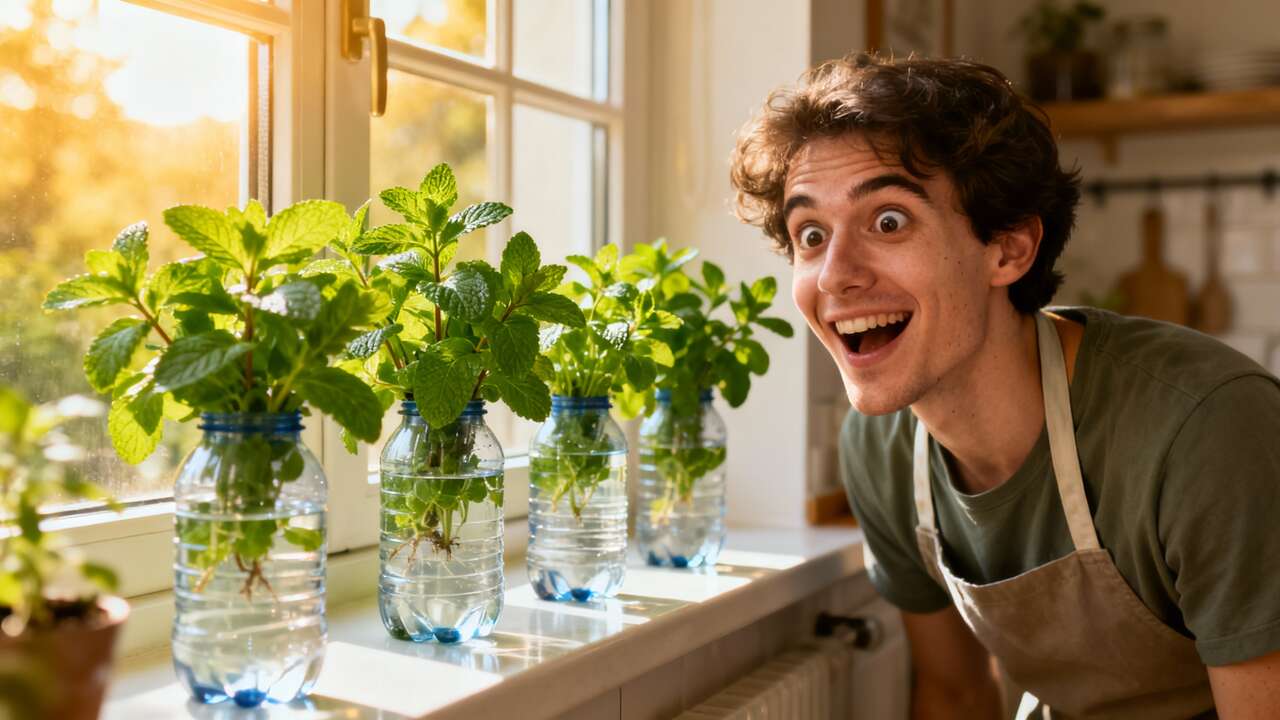

The allure of fresh, aromatic herbs is undeniable, transforming everyday meals and beverages from mundane to memorable. Among the most versatile and beloved is mint, a resilient herb known for its invigorating scent and culinary flexibility. Yet, the convenience of store-bought sprigs often comes with a hidden cost: rapid wilting, diminished flavor, and recurring expenses. A growing movement towards urban gardening and self-sufficiency presents a simple, ingenious solution. By harnessing household items, anyone can cultivate a thriving supply of fresh mint, ensuring a constant source of flavor right from their windowsill. This method not only promises superior taste but also champions sustainability by repurposing common plastic waste into a functional, miniature garden.
Why Grow Mint in Plastic Bottles ?
Adopting an at-home cultivation method for mint using something as ubiquitous as a plastic bottle might seem novel, but its advantages are rooted in practicality and modern environmental consciousness. This approach marries the desire for fresh produce with the principles of reducing, reusing, and recycling, making it an especially compelling project for the eco-aware and space-constrained individual.
The Environmental and Economic Edge
The primary appeal of this method is its dual benefit to both the planet and your wallet. Every plastic bottle repurposed into a planter is one less item destined for a landfill, where it could take centuries to decompose. This small act of upcycling contributes to a tangible reduction in plastic waste. From an economic standpoint, the savings are significant. A single purchase of a mint plant or a bunch of cuttings can yield a continuous harvest for months, if not longer. This eliminates the need for repeated purchases of expensive, plastic-packaged herbs from the grocery store. The cost-effectiveness is clear:
- Reduced Waste: Gives a second life to single-use plastics.
- Cost Savings: A one-time setup provides a long-lasting supply of fresh mint.
- Fewer Food Miles: Growing at home eliminates the carbon footprint associated with transporting produce to stores.
A Perfect Solution for Urban Living
For those living in apartments, condos, or homes with limited outdoor space, traditional gardening can be an elusive dream. The plastic bottle method, however, is a game-changer. These compact, self-contained systems are perfectly suited for small spaces. They can be placed on a sunny windowsill, a small balcony, or even hung vertically to create a living wall of green. This accessibility democratizes gardening, proving that you do not need a sprawling backyard to enjoy the satisfaction and benefits of growing your own food.
Superior Flavor and Freshness
There is an undeniable difference in taste between freshly picked herbs and those that have traveled and sat on a store shelf. Homegrown mint boasts a more potent aroma and a more vibrant, complex flavor. When you snip a few leaves just moments before steeping them in tea or muddling them for a drink, you are capturing the plant’s essential oils at their peak. This unmatched freshness elevates any culinary creation and provides the full therapeutic benefits of the herb, from aiding digestion to providing a rich source of antioxidants.
With a clear understanding of the compelling reasons to start your own bottle garden, the first practical step is to select the herb itself. The world of mint is surprisingly diverse, and your choice will shape the flavors you can bring into your kitchen.
Choosing the Right Mint Variety
The term “mint” is often used generically, but it encompasses a wide family of plants, each with a unique aromatic profile and flavor. Selecting the right variety is crucial as it will directly influence the taste of your dishes and drinks. Fortunately, most common mint varieties are hardy and adapt well to being grown in water, making them ideal candidates for a plastic bottle setup.
An Introduction to Popular Mints
While there are hundreds of types of mint, a few have become culinary staples due to their appealing flavors and robust growth. Spearmint (Mentha spicata) is perhaps the most common, known for its sweet, mild flavor that is less overpowering than its cousins, making it a versatile choice for everything from savory lamb dishes to refreshing teas. Peppermint (Mentha piperita), a natural hybrid of spearmint and watermint, has a much higher concentration of menthol, giving it a bold, cooling, and peppery kick that is perfect for desserts, candies, and strong infusions. For those with a more adventurous palate, Chocolate Mint offers a fascinating twist, with distinct notes of cocoa underlying its minty freshness, an ideal partner for ice cream and creative cocktails.
Comparing Varieties for Your Palate
Deciding which mint to grow depends entirely on your intended use. A side-by-side comparison can help clarify which variety best suits your needs. Consider the primary flavor profile and common applications before making your selection. Experimenting with more than one type can also be a rewarding endeavor, allowing you to have a range of flavors at your fingertips.
| Mint Variety | Flavor Profile | Primary Uses |
|---|---|---|
| Spearmint | Sweet, mild, and refreshing | Teas, mojitos, savory dishes, jellies |
| Peppermint | Strong, cool, and intensely minty | Desserts, candies, hot chocolate, therapeutic oils |
| Chocolate Mint | Classic mint with rich cocoa undertones | Creative desserts, iced coffees, unique cocktails |
Once you have decided on the perfect mint to grace your home, the next step is to gather the few simple items required to bring your hydroponic garden to life.
Materials Needed to Grow Mint
One of the greatest appeals of this gardening method is its simplicity and minimal requirements. You do not need expensive, specialized equipment to get started. Most of the necessary items are likely already in your home, waiting to be repurposed for this green project. The focus is on accessibility and using what is readily available.
Core Components for Your Setup
The list of essential supplies is refreshingly short. The core of your system relies on a few basic elements to create the ideal environment for your mint cuttings to root and flourish. You will need:
- A Plastic Bottle: A clear 1.5 or 2-liter soda bottle works best, as it allows you to monitor water levels and root growth easily.
- Healthy Mint Cuttings: You can source these from an existing mint plant or even from a fresh bunch bought at a grocery store. Look for sturdy stems that are 10 to 15 centimeters long.
- Water: Tap water is generally sufficient. However, if your water is heavily chlorinated, it is a good practice to let it sit out for 24 hours to allow the chlorine to dissipate.
- Cutting Tool: A sharp pair of scissors or a utility knife is needed to safely and cleanly modify the plastic bottle.
Optional Items for Enhanced Growth
While not strictly necessary for getting started, a few extra items can help streamline the process and support the long-term health of your plant. Consider having a dark-colored sock, sleeve, or some paint to cover the water reservoir (the bottom part of the bottle). This helps prevent algae growth by blocking light. Additionally, for very long-term cultivation, a few drops of a balanced liquid hydroponic nutrient solution can be added to the water every few weeks to replenish essential minerals that the plant needs to thrive, though mint is resilient enough to grow for a considerable time in plain water alone.
With all your materials gathered, you are ready to assemble the vessel that will serve as your mint’s new home. Proper preparation of the bottle is a critical step that ensures your plant has the right structure and environment for healthy growth.
Preparing the Plastic Bottles
Transforming a simple plastic bottle into an efficient self-watering hydroponic planter is a straightforward process. This design, often referred to as a passive hydroponic or Kratky-style system, creates a miniature ecosystem where the plant can draw water as needed. The key is to create two main sections: an upper part to hold the mint cuttings and a lower reservoir to hold the water.
A Step-by-Step Guide to Bottle Assembly
Precision is not critical, but a clean cut is important for a snug fit. Follow these simple steps to prepare your bottle:
- Clean the Bottle: First, thoroughly wash the bottle and its cap with soap and warm water to remove any sugary residue and bacteria. Be sure to rinse it completely.
- Measure and Cut: Identify a point on the bottle roughly one-third of the way down from the top, just below where the cylindrical body begins to taper. Carefully use your utility knife or scissors to cut the bottle in two at this point.
- Create the Planter Top: Take the top section you just cut and unscrew the cap. Using a screwdriver or the tip of your knife, carefully poke several small holes in the cap. This will allow the roots to grow through into the water reservoir.
- Assemble the System: Invert the top section (the one with the spout) and place it into the bottom section, like a funnel. The cap should be screwed back on and pointing down into the reservoir. This creates the basic structure of your planter.
Ensuring Stability and Preventing Algae
A common issue in water-based growing systems is the proliferation of algae, which competes with your plant for nutrients and can create an unhealthy environment. As mentioned, the easiest way to combat this is to block light from reaching the water. You can slide an old sock over the bottom reservoir section or paint it with dark, opaque paint. For stability, ensure the top section fits snugly into the bottom. If it feels loose, you can wrap a small amount of tape around the edge for a tighter seal.
Now that your self-watering planter is fully assembled, the final preparatory step is to select and prepare the mint cuttings that will soon inhabit this new home.
Preparing and Caring for Mint Cuttings
The success of your project hinges on starting with healthy, viable cuttings and providing them with the right conditions to develop a strong root system. Mint is famously easy to propagate from cuttings, and the process of encouraging roots to sprout in water is both simple and fascinating to observe. This stage is where your plant’s life truly begins.
Selecting and Preparing Your Cuttings
Start by choosing the right stems. Look for cuttings that are green, vigorous, and free of any spots or signs of disease. The ideal cutting should be about 4-6 inches long. Once you have your stems, follow these steps:
- Trim the Leaves: Carefully remove the leaves from the bottom two-thirds of each stem. This is crucial because any leaves submerged in water will rot, contaminating it and hindering root growth. Leave a small cluster of leaves at the very top.
- Make a Fresh Cut: Using clean scissors, make a fresh cut on the bottom of the stem at a 45-degree angle, just below a leaf node (the little bump where leaves were growing). This angled cut increases the surface area for water absorption and root development.
The Rooting and Growing Process
With your cuttings prepared, fill the bottom reservoir of your plastic bottle planter with water, leaving about an inch of air space at the top. Place the cuttings through the inverted top piece so that the bare stems are submerged in the water but the remaining leaves are well above the water line. Now, place the planter in a location that receives bright, indirect sunlight. Direct, intense sunlight can scorch the young cuttings. Within 7 to 14 days, you should begin to see small white roots emerging from the submerged nodes. Once a healthy network of roots has formed, the plant will begin to produce new leaf growth.
Long-Term Care and Maintenance
Maintaining your hydroponic mint garden is incredibly low-maintenance. The primary task is to manage the water. Initially, you may need to change the water every few days to keep it fresh and oxygenated. Once the root system is established, you can simply top it off as it evaporates. It is a good idea to completely replace the water every two weeks to prevent stagnation. If you notice the leaves turning yellow, it may be a sign of a nutrient deficiency, and adding a very diluted liquid fertilizer can help.
After a few weeks of care, your cuttings will transform into a robust plant with a healthy root system and abundant foliage, signaling that it is ready for its primary purpose: to be harvested and enjoyed.
Harvesting and Enjoying Your Fresh Mint
The reward for your patience and minimal effort is a continuous supply of fresh, fragrant mint. Harvesting correctly is not just about gathering leaves; it is also about encouraging the plant to become bushier and more productive. Regular trimming signals the plant to send out new side shoots, resulting in a fuller, healthier plant over time.
The Art of the Harvest
You can begin harvesting your mint as soon as the plant is well-established and showing vigorous new growth, typically within a few weeks of rooting. The best practice is to harvest little and often. Instead of just plucking individual leaves, use clean scissors to snip off the top third of a stem, making your cut just above a set of leaves. This technique, known as “pinching back,” prompts the plant to branch out from that point, creating two new stems where there was once one. Avoid harvesting more than one-third of the entire plant at any one time to ensure it has enough foliage to continue photosynthesizing and growing strong.
From Planter to Plate: Culinary Uses
The applications for your homegrown mint are virtually limitless. The vibrant flavor can enhance a wide array of foods and beverages. Having a fresh supply on hand encourages culinary experimentation and adds a touch of gourmet flair to simple recipes. Some popular uses include:
- Refreshing Beverages: Muddle leaves for classic mojitos, brew fresh mint tea (hot or iced), or simply add a sprig to a glass of water for a natural infusion.
- Savory Dishes: Finely chop mint to incorporate into yogurt-based sauces for lamb or chicken, mix it into salads for a burst of freshness, or blend it into vibrant pestos.
- Sweet Treats: Garnish desserts like chocolate mousse or fruit salads, infuse it into syrups for drizzling over ice cream, or mix it with berries for a simple, elegant dessert.
This simple, water-based method transforms a discarded plastic bottle into a source of endless culinary potential, proving that innovative gardening is accessible to everyone.
Growing your own mint in a plastic bottle is a rewarding project that is simple, sustainable, and highly practical. This method empowers anyone, regardless of space or experience, to enjoy the unparalleled taste of freshly harvested herbs. It is a small step towards self-sufficiency that reduces waste, saves money, and connects you more closely to the food you eat. By following these straightforward steps, you can easily cultivate a thriving mint plant on your windowsill, ready to elevate your next meal or drink with its invigorating flavor.

- Why experts say you should open your windows when it rains—even if it feels wrong - 10 November 2025
- The ultimate ground cover: why Pachysandra beats weeds and shrugs off winter cold - 10 November 2025
- The secret to attracting robins year-round: why experts swear by these two must-have garden plants - 10 November 2025
Pubblicazioni simili :
 Grow Asparagus Once and Enjoy Fresh Spears All Year Round with This Simple Tip
 How to Grow Bean Sprouts at Home Using Plastic Bottles: Easy DIY Garden Ideas
 Grow Healthy, Vibrant Celery at Home Using Just a Few Small Plastic Bottles
 How to Grow Basil in Recycled Plastic Bottles: A Step-by-Step Eco-Friendly Guide