
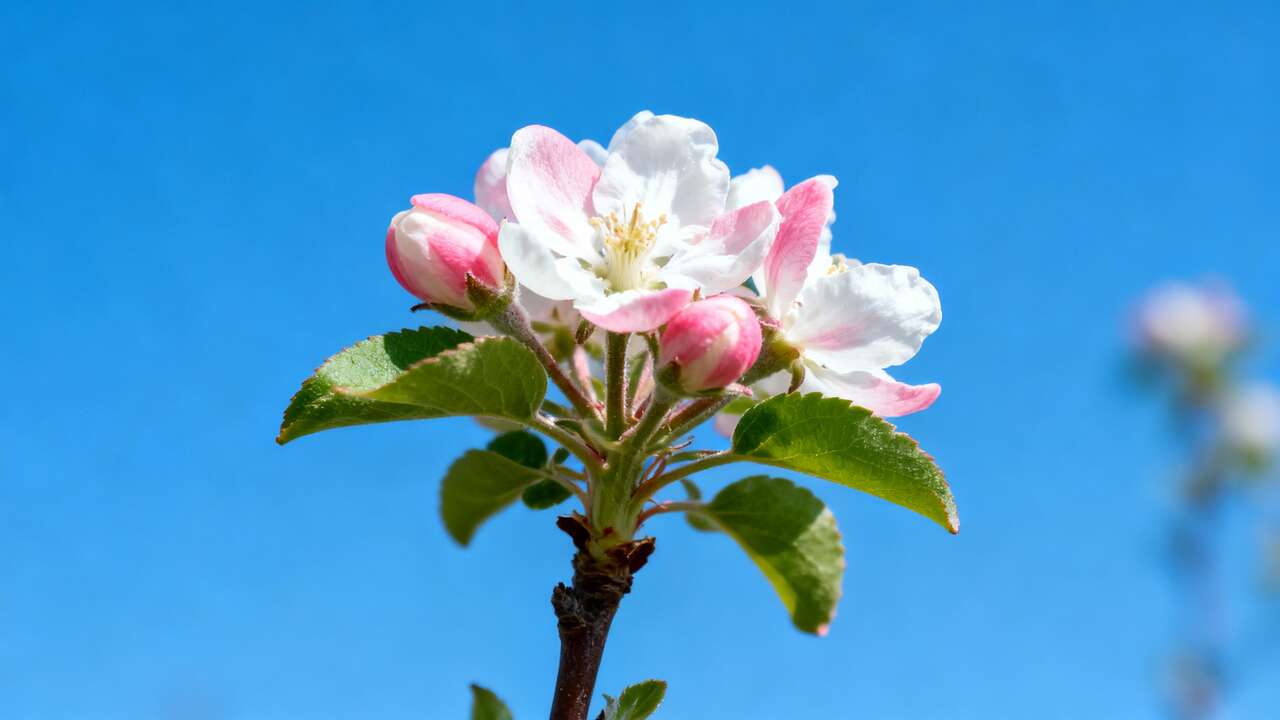

The sight of a young Cortland apple tree covered in a profusion of delicate pink and white blossoms is a true harbinger of spring for any backyard orchardist. This particular variety, celebrated for its crisp, juicy, and slightly tart white flesh that resists browning, is a favorite among home growers. However, guiding this young tree from its fragile, flowering state to a mature, fruit-bearing specimen requires a specific regimen of care. Success hinges not on chance, but on a deliberate understanding of the tree’s fundamental requirements, from its roots to its burgeoning buds. Providing the right conditions from the outset is the most critical investment in its long-term health and productivity.
Understanding the specific needs of the Cortland apple tree
Before placing a shovel in the ground, it is crucial to appreciate the distinct horticultural profile of the Cortland apple. This variety is more than just a name; it comes with a specific set of genetic traits that dictate its needs for growth, pollination, and resilience. Acknowledging these characteristics is the first step toward a thriving tree.
The Cortland’s unique characteristics
The Cortland apple, a cross between the McIntosh and Ben Davis varieties, was developed at the New York State Agricultural Experiment Station in the late 19th century. It inherited the cold-hardiness of its McIntosh parent, making it an excellent choice for regions with cold winters. This resilience allows it to withstand freezing temperatures and still produce a reliable bloom. The fruit itself is known for its large size, vibrant red skin with dark red stripes, and its signature slow-to-oxidize flesh, which makes it ideal for salads and fresh preparations. Its growth habit is typically spreading, meaning it will require adequate space to develop a healthy canopy.
Pollination requirements
One of the most critical facts about the Cortland apple tree is that it is not self-fertile. To produce fruit, it requires cross-pollination from a different apple variety that blooms at the same time. Without a suitable pollinator nearby, the beautiful blossoms will fail to set fruit. When planning your orchard, you must include a compatible partner tree. Some excellent pollinators for Cortland include:
- McIntosh
- Golden Delicious
- Granny Smith
- Red Delicious
- Gala
These partner trees should be planted within 50 feet of the Cortland to ensure effective pollination by bees and other insects. Understanding this codependency is fundamental to avoiding the disappointment of a fruitless tree.
Once you have a firm grasp of the Cortland’s intrinsic needs, including its requirement for a pollinating partner, the next logical consideration is where these trees will live and grow for decades to come.
Choosing the ideal location for your apple tree
The long-term success of your Cortland apple tree is heavily dependent on its placement. A well-chosen site will provide the essential elements for vigorous growth, while a poor location can lead to a weak, disease-prone tree with minimal fruit production. This decision is one of the most impactful you will make in the life of your orchard.
Sunlight and air circulation
Apple trees are sun-loving plants. Your Cortland requires a location that receives at least six to eight hours of direct sunlight per day during the growing season. Full sun exposure is non-negotiable; it fuels the process of photosynthesis, which is essential for developing strong branches, healthy leaves, and high-quality fruit. Insufficient sunlight leads to sparse foliage, poor flowering, and an increased susceptibility to fungal diseases. Good air circulation is equally important. Planting on a gentle slope or in an open area, rather than a low-lying pocket where cold air and moisture can settle, helps leaves dry quickly after rain, significantly reducing the risk of diseases like apple scab and powdery mildew.
Soil quality and drainage
Cortland apple trees thrive in well-drained, loamy soil that is rich in organic matter. They are intolerant of “wet feet,” meaning their roots should not sit in waterlogged soil, which can lead to root rot. Before planting, it is wise to assess the soil’s drainage. You can do this by digging a hole about one foot deep and filling it with water. If the water drains away within a few hours, the drainage is adequate. If it stands for a day or more, you will need to amend the soil or choose a different site. The ideal soil pH for apple trees is slightly acidic to neutral.
| Soil Characteristic | Optimal Range/Type |
|---|---|
| Soil Type | Sandy loam or loam |
| Drainage | Good to excellent |
| pH Level | 6.0 to 7.0 |
| Organic Matter | High (3-5%) |
With the perfect sun-drenched, well-drained location selected, the focus now shifts to the physical act of getting the young tree into the ground correctly to ensure it establishes itself without stress.
Planting techniques for a good start
Proper planting is a foundational step that can significantly influence the tree’s ability to establish a strong root system and thrive in its new environment. Rushing this process or taking shortcuts can set the tree back for years. A careful, methodical approach ensures the young Cortland has the best possible beginning.
Preparing the planting hole
The old advice of digging a deep hole and heavily amending the backfill soil is now outdated. Current horticultural best practices recommend digging a hole that is two to three times wider than the tree’s root ball but no deeper. The width allows the roots to spread easily into the surrounding native soil without hitting a hard wall. Digging deeper than the root ball can cause the tree to settle over time, sinking too low and potentially burying the critical graft union. When you dig, pile the native soil on a tarp next to the hole to use as backfill. Break up any large clumps to ensure the soil is loose and friable.
The planting process
Once the hole is prepared, carefully remove the young tree from its container or burlap wrap. Gently tease out any circling roots to encourage them to grow outward. Place the tree in the center of the hole, ensuring it is standing straight. The most important step is to check the planting depth. The graft union, which is the noticeable bulge or scar near the base of the trunk where the Cortland scion was joined to the rootstock, must be at least two inches above the final soil level. Burying the graft union can cause the scion to root, which negates the benefits of the rootstock (like size control) and can lead to a much larger, weaker tree. Backfill the hole with the native soil you removed, tamping it down gently to eliminate large air pockets. Do not add fertilizer directly into the planting hole, as this can burn the young, sensitive roots.
After the tree is securely in the ground, its immediate and ongoing needs for water and nutrients become the primary focus for encouraging robust growth.
Watering and fertilizing: keys to growth
With the Cortland tree properly planted, your attention must turn to providing consistent moisture and nutrition. These two elements are the fuel for growth, especially during the first few years as the tree establishes its root system and builds the framework for future fruit production. A disciplined approach to watering and feeding is essential.
Establishing a watering schedule
A young tree’s root system is small and inefficient, making it highly vulnerable to drought stress. For the first two growing seasons, a newly planted Cortland tree requires consistent moisture. A general guideline is to provide about 10 gallons of water per week, either from rainfall or irrigation. This is best applied slowly and deeply to encourage deep root growth. Instead of frequent, shallow sprinklings, a deep soaking once or twice a week is far more effective. A simple way to check soil moisture is to dig down a few inches near the tree; if the soil is dry, it is time to water. As the tree matures and its root system expands, it will become more drought-tolerant but will still benefit from deep watering during prolonged dry spells, especially during fruit development.
Fertilizing for healthy development
While the soil provides many nutrients, a young, growing tree benefits from supplemental feeding. However, it is important not to over-fertilize, which can promote excessive leafy growth at the expense of fruit and can even damage the tree. In the first year, it is often best to wait until the tree has started to show new growth before applying any fertilizer. A balanced fertilizer, such as a 10-10-10 NPK formulation, is a good choice. Apply it in the early spring, spreading it evenly on the ground under the tree’s canopy, starting about a foot away from the trunk and extending out to the dripline (the edge of the branches). Follow the application rates on the product label carefully.
Keeping the tree well-fed and hydrated makes it strong, but this vigor must also be protected from the external threats of pests and diseases.
Protection against diseases and pests
Even a well-sited and properly nourished tree can fall victim to a host of diseases and insect pests. Proactive monitoring and preventative strategies are the cornerstones of effective integrated pest management (IPM). The goal is not to eliminate every insect but to maintain a healthy balance and intervene before a minor issue becomes a major infestation or infection that threatens the tree’s life or crop.
Common diseases and prevention
Cortland apples are susceptible to several fungal diseases, with apple scab being one of the most common and damaging. It appears as olive-green spots on leaves and fruit and thrives in cool, wet spring weather. Another concern is powdery mildew, which presents as a white, dusty coating on new shoots and leaves. The best defense is prevention:
- Sanitation: Rake up and destroy all fallen leaves and fruit in the autumn. This removes the primary source of fungal spores that would otherwise overwinter and reinfect the tree in the spring.
- Airflow: Proper pruning to open up the tree’s canopy is crucial. It allows sunlight to penetrate and air to circulate, which helps leaves dry more quickly and creates a less hospitable environment for fungi.
- Fungicides: In areas with high disease pressure, preventative applications of appropriate fungicides (such as sulfur or copper-based products for organic growers) may be necessary, starting from bud break and continuing through early summer.
Managing common apple pests
Several insects can damage a young apple tree, including aphids, which suck sap from new growth, and the codling moth, whose larvae burrow into the fruit. An IPM approach emphasizes monitoring and using the least toxic control methods first. Regularly inspect your tree for signs of pests. Beneficial insects like ladybugs and lacewings can often keep aphid populations in check. For codling moths, pheromone traps can be used to monitor their presence, and timing is critical for control measures. Horticultural oils applied during the dormant season can smother overwintering pest eggs, providing a strong head start against infestations.
Protecting the tree from external threats is vital, but so is shaping its internal structure through the deliberate and careful practice of pruning.
Tips for effective and fruitful pruning
Pruning is both an art and a science, and for a young apple tree, it is one of the most important tasks for establishing a strong, productive structure. The cuts made in the first few years will determine the tree’s shape, strength, and fruit-bearing capacity for its entire life. The goal is not just to remove wood, but to direct the tree’s energy purposefully.
When and why to prune
The best time to prune an apple tree is during its dormant period, typically in late winter or very early spring, before the buds begin to swell. Pruning during this time minimizes stress on the tree and allows the wounds to heal quickly as spring growth begins. The primary objectives of pruning a young tree are to establish a strong central leader (a main, upright trunk) and to develop well-spaced scaffold limbs (the main branches). This framework will support the weight of a heavy fruit crop in the future without breaking. Pruning also improves light penetration and air circulation throughout the canopy, which is critical for fruit quality and disease prevention.
Basic pruning techniques
For a young Cortland, focus on corrective and structural cuts. Always use sharp, clean pruning tools to make clean cuts. Key actions include:
- Remove the 3 D’s: Start by removing any wood that is dead, damaged, or diseased.
- Eliminate competition: If there are two branches competing to be the central leader, choose the strongest and straightest one and remove the other.
- Select scaffold limbs: Choose three to five strong branches that are well-spaced both vertically and radially around the trunk to be your main scaffold limbs. They should have wide, strong crotch angles (ideally 45 to 60 degrees from the trunk). Remove branches with narrow, weak angles.
- Remove suckers and water sprouts: Cut away any suckers growing from the base of the trunk and any vigorous, upright shoots (water sprouts) growing from the main branches.
By making thoughtful cuts each year, you guide the tree toward an open, balanced shape that is both aesthetically pleasing and highly productive.
Caring for a young Cortland apple tree is a journey of proactive engagement. Success is built upon a foundation of understanding the variety’s needs, choosing the right location, and employing proper planting techniques. It is sustained through consistent watering and feeding, vigilant protection from pests and diseases, and the strategic guidance provided by annual pruning. Each step contributes to developing a healthy, resilient tree that will reward your efforts with beautiful spring blossoms and, ultimately, a bountiful harvest of delicious apples.

- Why experts say you should open your windows when it rains—even if it feels wrong - 10 November 2025
- The ultimate ground cover: why Pachysandra beats weeds and shrugs off winter cold - 10 November 2025
- The secret to attracting robins year-round: why experts swear by these two must-have garden plants - 10 November 2025
Pubblicazioni simili :
 Planting a Young Jonathan Apple Tree: Everything You Need to Know for a Healthy Start
 The Smart Way to Propagate Sugar Apple Trees: Step-by-Step Guide for Healthy Trees
 Growing a Pink Lady Apple Tree in Your Backyard Orchard: A Complete Guide
 7 Perennials You Should Never Cut Back in Fall If You Want Them to Bloom Again