
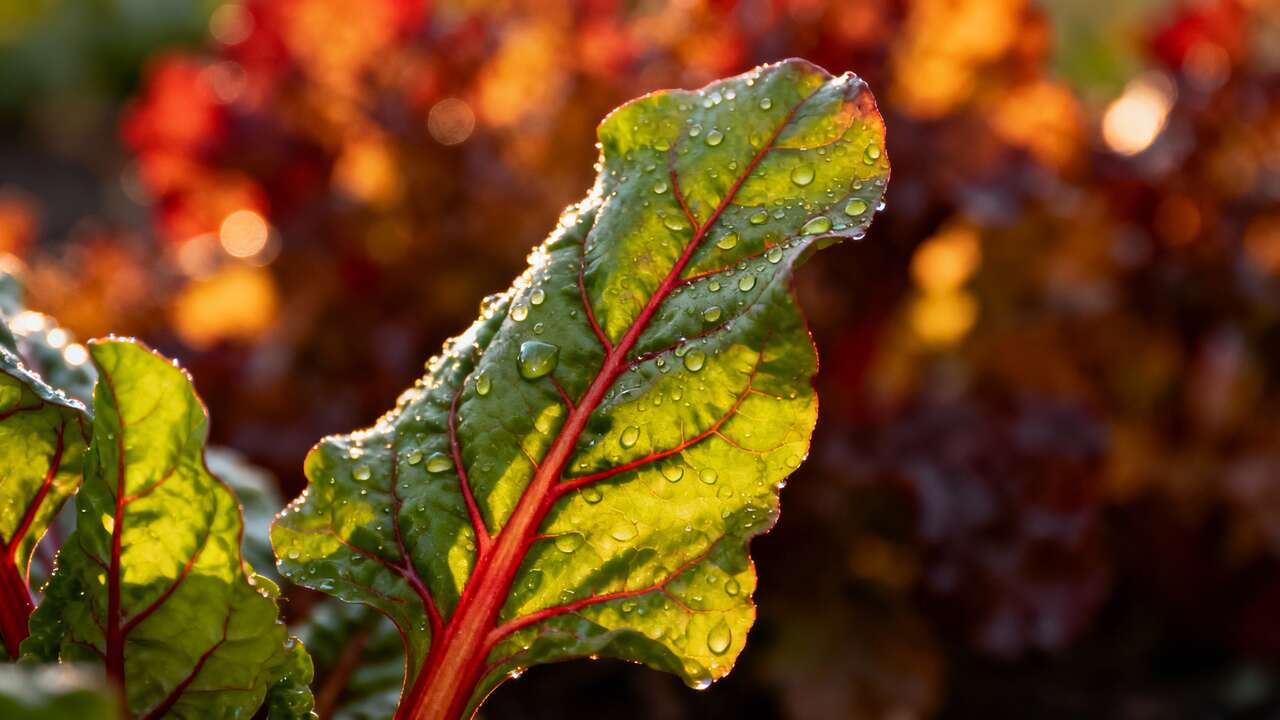

As the vibrant hues of summer gardens begin to fade, a different kind of opportunity emerges for the savvy cultivator. While many gardeners are putting their tools away, others are turning their attention to a resilient and flavorful green that thrives in the crisp, cool air of autumn. This often-overlooked seed, arugula, offers a peppery harvest when most other plants have gone dormant. Its rapid growth and tolerance for lower temperatures make it an ideal candidate for extending the growing season, providing fresh, nutritious leaves long after the last tomatoes have been picked.
The nutritional benefits of this overlooked seed
A powerhouse of vitamins and minerals
Often dismissed as a simple salad green, arugula is a surprisingly potent source of essential nutrients. It is particularly rich in vitamin K, which is crucial for blood clotting and bone health. A single serving can provide a significant portion of the daily recommended intake. Furthermore, it contains substantial amounts of vitamin A, an antioxidant vital for vision and immune function, and vitamin C, which supports the immune system and skin health. Its mineral content is also noteworthy, offering calcium for bones, potassium for blood pressure regulation, and folate for cell growth.
Packed with beneficial compounds
Beyond its vitamin and mineral profile, arugula belongs to the Brassicaceae family, the same family as broccoli and kale. This means it is rich in glucosinolates, sulfur-containing compounds that are broken down into isothiocyanates during digestion. These compounds are the subject of extensive research for their potential health-promoting properties. The peppery taste of arugula is a direct result of these beneficial compounds. It also contains high levels of chlorophyll, which may help support detoxification processes in the body.
| Nutrient | Arugula | Spinach | Iceberg Lettuce |
|---|---|---|---|
| Vitamin K (DV) | 90% | 402% | 20% |
| Vitamin A (DV) | 24% | 52% | 5% |
| Calcium (mg) | 160 | 99 | 18 |
| Calories | 25 | 23 | 14 |
This impressive nutritional density, especially for such a low-calorie food, makes arugula an excellent addition to any diet. The ease of growing it in the fall provides a direct line to these health benefits when other fresh greens may be less available. Understanding its nutritional value underscores the importance of cultivating this hardy green.
How to grow this seed in fall
Preparing the soil and sowing
Success with fall arugula starts with the right foundation. This green prefers well-draining soil rich in organic matter. Before planting, amend the garden bed with compost to provide a nutrient boost. Arugula is not a heavy feeder, but fertile soil encourages lush, rapid growth. The ideal soil pH is between 6.0 and 7.0. Once the bed is prepared, you can sow the seeds directly into the soil. Plant them about a quarter-inch deep and one inch apart. For a continuous harvest, practice succession planting by sowing a new batch of seeds every two to three weeks until the first hard frost is expected.
Watering and sunlight requirements
Consistent moisture is key for tender, flavorful arugula leaves. The soil should be kept evenly moist but not waterlogged, especially during germination. Irregular watering can lead to stress, causing the leaves to become excessively bitter or encouraging the plant to bolt, or flower prematurely. During the fall, cooler temperatures and increased rainfall may reduce the need for supplemental watering, but it is important to monitor the soil regularly. Arugula grows best in full sun, requiring at least six hours of direct sunlight per day. However, it can tolerate partial shade, which is often a feature of the shorter days of autumn.
Harvesting for continuous production
One of the most rewarding aspects of growing arugula is its quick turnaround. You can begin harvesting baby leaves as soon as they are two to three inches long, typically within three to four weeks of sowing. This ‘cut-and-come-again’ method is highly effective.
- Gently snip the outer, larger leaves with scissors or your fingers.
- Leave the central growing point and smaller inner leaves intact.
- This encourages the plant to continue producing new foliage from its center.
- Harvesting frequently also helps delay bolting, extending your harvest period well into the late fall.
By selecting the right varieties suited for cooler weather, gardeners can optimize this already simple growing process for an even more successful and crisp harvest.
Preferred varieties for crisp leaves
Classic cultivated arugula
The most common type found in gardens and grocery stores is standard cultivated arugula (Eruca vesicaria). Varieties like ‘Astro’ and ‘Rocket’ are known for their relatively mild, peppery flavor and broad, lobed leaves. They grow incredibly fast, often ready for a baby leaf harvest in just over 20 days. These varieties are perfect for gardeners new to arugula, as they are less intense in flavor than their wild counterparts and produce generously. Their leaves remain tender and crisp, especially when grown in the cool conditions of fall, which tempers their spiciness.
Wild and perennial types
For those who prefer a more robust and pungent flavor, wild arugula (Diplotaxis tenuifolia) is an excellent choice. Varieties such as ‘Sylvetta’ or ‘Wasabi’ arugula feature smaller, more deeply serrated leaves and a significantly spicier kick. While they grow more slowly than cultivated types, they are often more cold-hardy and can even behave as a short-lived perennial in milder climates, returning for an early spring harvest. Their intense flavor holds up well in cooking and adds a powerful punch to salads and sandwiches. Choosing a wild variety ensures a distinctly different culinary experience.
Selecting the right variety is just one part of the equation. Employing smart gardening practices can further enhance the yield and quality of your fall crop.
Tips for a successful fall garden
Using row covers for protection
As autumn progresses, the risk of frost becomes a primary concern. One of the most effective tools for extending the growing season is the use of row covers. These lightweight fabric sheets are draped over hoops or directly on the plants to create a microclimate. They trap daytime heat, raising the ambient temperature by several degrees overnight and protecting tender leaves from frost damage. Row covers also serve as a physical barrier against common fall pests like cabbage worms, which can still be active on warmer days. Using them ensures your arugula and other greens remain pristine and productive deeper into the season.
Leveraging companion planting
Even in the fall, strategic planting can benefit your garden. Arugula grows well alongside other cool-season crops. Planting it near root vegetables like carrots, beets, and radishes can be beneficial, as their different growth habits mean they do not compete for the same resources. Aromatic herbs such as mint or rosemary can help deter certain pests with their strong scents. However, it is important to avoid planting arugula near other members of the brassica family, like broccoli or cabbage, as they can attract the same pests and diseases, potentially leading to a concentrated infestation.
Knowing what works is crucial, but understanding what can go wrong is equally important for avoiding disappointment.
Common mistakes to avoid in fall planting
Planting too late in the season
One of the most frequent errors in fall gardening is misjudging the planting window. While arugula is cold-tolerant, it still needs a period of relatively mild weather to germinate and establish itself before the first hard frost arrives. Gardeners should consult their local frost dates and count backward to determine the last viable sowing date. Sowing seeds too late means the plants may not reach a harvestable size before growth is halted by freezing temperatures. As a rule of thumb, ensure there are at least four to six weeks of favorable growing conditions after sowing your last batch of seeds.
Neglecting soil health after summer
Summer crops can be heavy feeders, often depleting the soil of essential nutrients. A common mistake is to plant a fall garden in this tired soil without replenishing it. This can lead to stunted growth and nutrient-deficient plants. Before planting arugula or any other fall crop, it is vital to amend the soil. Adding a fresh layer of compost or a balanced organic fertilizer restores the nutrients needed for vigorous growth. This simple step revitalizes the garden bed and provides the foundation for a healthy, productive fall harvest.
Overcrowding the seedlings
It can be tempting to sow seeds thickly to ensure good germination, but failing to thin the resulting seedlings is a critical mistake. Overcrowded plants must compete for sunlight, water, and nutrients, which results in weak, spindly growth and smaller leaves. For arugula, thinning seedlings to be about four to six inches apart allows each plant enough space to develop a full, robust rosette of leaves. The thinned seedlings are not waste; they are a delicious, tender first harvest perfect for salads.
By avoiding these common pitfalls, gardeners can ensure their efforts translate into a bountiful supply of fresh greens, ready to be incorporated into a variety of healthy dishes.
Why integrate these leaves into your diet
A versatile culinary ingredient
The appeal of arugula extends far beyond its ease of growth. Its distinctive peppery flavor adds a layer of complexity to countless dishes. While it is a classic base for salads, its culinary uses are much broader. Fresh arugula can be wilted onto a hot pizza right out of the oven, blended into a zesty pesto as an alternative to basil, or stirred into pasta dishes at the last minute for a fresh, spicy bite. Its ability to stand up to bold flavors makes it an excellent partner for rich cheeses, cured meats, and acidic vinaigrettes. This versatility makes it an indispensable green in a creative kitchen.
Enhancing flavor and texture
The texture of homegrown arugula is often superior to its store-bought counterpart. The leaves are crisp and tender, providing a satisfying contrast in sandwiches and wraps. The intensity of its peppery flavor can be managed by harvesting at different stages. Baby leaves are milder and more delicate, while mature leaves offer a more pungent and robust taste. This allows the gardener to tailor the flavor profile to the specific dish being prepared. Integrating these leaves into your diet is not just about nutrition; it is about elevating everyday meals with a fresh, vibrant, and homegrown element.
The simple act of sowing arugula seeds in the fall can transform the end of the gardening season from a time of winding down to one of vibrant, fresh production. This resilient green not only provides a wealth of nutrients and flavor but also offers a rewarding gardening experience with its rapid growth and minimal demands. By embracing cool-season crops, gardeners can extend their harvest and enjoy the crisp, peppery taste of homegrown leaves when fresh produce is most appreciated.

- Why experts say you should open your windows when it rains—even if it feels wrong - 10 November 2025
- The ultimate ground cover: why Pachysandra beats weeds and shrugs off winter cold - 10 November 2025
- The secret to attracting robins year-round: why experts swear by these two must-have garden plants - 10 November 2025


