
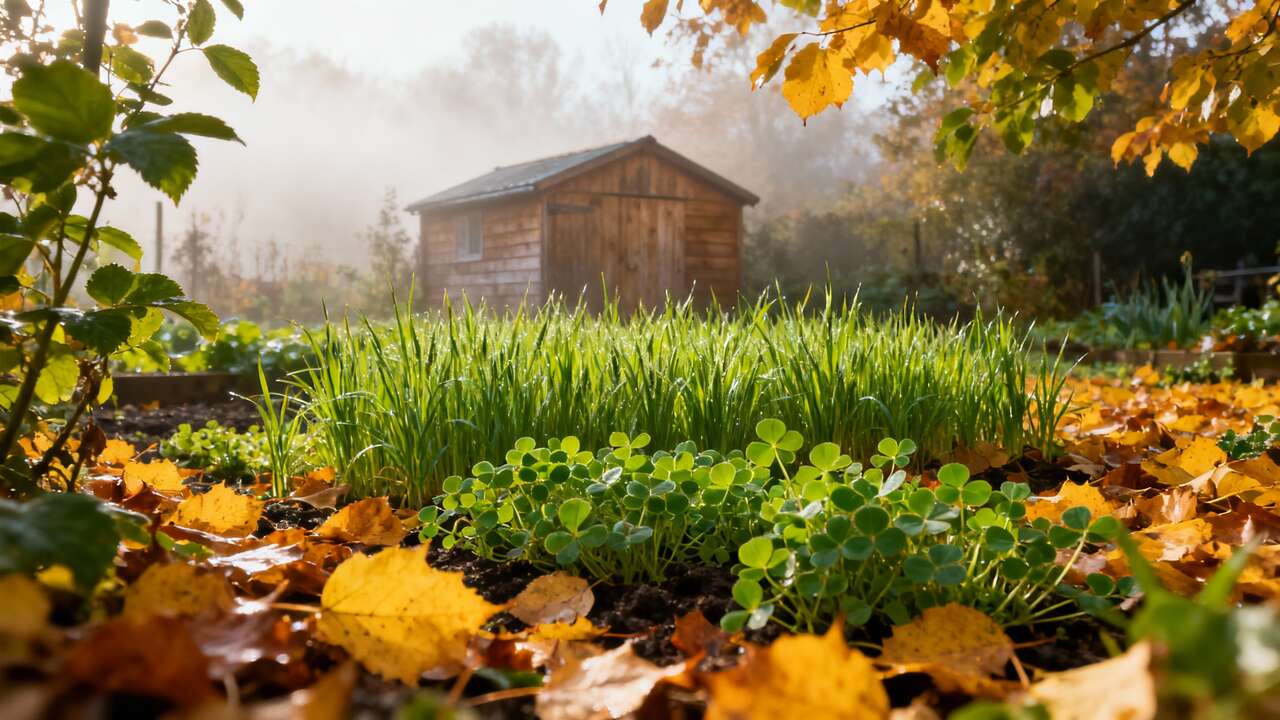

Understanding the Importance of Winter Cover Crops
As the vibrant hues of the summer garden fade and the air grows crisp, many gardeners pack away their tools, leaving their soil plots bare and exposed to the harsh winter elements. This common practice, however, overlooks a crucial opportunity to protect and enrich the very foundation of next year’s bounty. The solution lies in winter cover crops, a time-tested agricultural technique that serves as a living blanket for the soil, ensuring it remains healthy and fertile through the coldest months. Far from being a dormant period, winter can be a time of active soil regeneration.
The Role of Cover Crops
At their core, winter cover crops are plants sown not for harvest, but for the benefit of the soil itself. Their primary role is to provide a protective layer over the garden bed, shielding it from the erosive forces of winter wind and rain. This living mulch prevents valuable topsoil from being washed or blown away. Beyond simple protection, their root systems work to improve soil structure, creating channels that enhance water infiltration and aeration. As these plants grow, they function as a powerful tool for managing garden health, offering a range of benefits that extend well into the next growing season. They are, in essence, an investment in the future vitality of your garden.
- Minimizing soil erosion from wind and rain by anchoring the topsoil.
- Enhancing organic matter content as the crops are later incorporated into the soil.
- Suppressing the growth of persistent winter and early spring weeds.
- Providing a valuable habitat for beneficial organisms, such as earthworms and microbes.
The Benefits for Spring Preparation
The work done by cover crops during the winter pays significant dividends in the spring. When the cover crop is tilled back into the earth, it decomposes and releases a wealth of nutrients, a process often referred to as “green manure.” This natural fertilization enriches the soil, reducing the need for synthetic additives. Furthermore, the dense growth of many cover crops effectively smothers weeds, giving spring seedlings a weed-free environment in which to thrive. The improved soil structure left behind by the cover crops’ roots makes for easier tilling and planting, creating a friable, well-drained, and nutrient-rich bed ready for a new season of growth.
Understanding why these green guardians are so vital naturally leads to the question of which specific plants are best suited for the task of protecting your soil through the winter.
The Best Plants to Cover Soil in Winter
Selecting the right cover crop is a critical decision that depends on specific gardening goals, climate, and soil type. Different plants offer unique advantages, from fixing nitrogen to breaking up compacted soil. A thoughtful choice ensures that the garden not only survives the winter but emerges stronger and more fertile. The most effective winter cover crops are typically cold-hardy and fast-growing, able to establish a protective canopy before the first hard frost sets in.
Popular Cover Crops
Several varieties of plants have proven to be exceptionally effective for winter soil coverage, each favored for its unique combination of benefits and resilience. These workhorses of the winter garden are reliable choices for both novice and experienced gardeners looking to improve their soil’s health. The selection often includes a mix of grasses, legumes, and brassicas, which can be planted alone or in a custom blend to achieve multiple objectives simultaneously. A diverse mix can offer a more comprehensive range of soil-building benefits.
- Winter rye: prized for its extensive and deep fibrous root system that excels at scavenging leftover nutrients and preventing soil compaction. It is extremely cold-tolerant.
- Crimson clover: a legume that is excellent at fixing atmospheric nitrogen, converting it into a form that plants can use. Its bright red flowers also attract early-season pollinators if allowed to bloom.
- Hairy vetch: another powerful nitrogen-fixer, hairy vetch produces a dense, viny mat of foliage that is highly effective at suppressing weeds and preventing erosion.
- Field peas: often planted with a grain like oats or rye for support, these peas add significant nitrogen to the soil and break down quickly in the spring to serve as a natural mulch.
The Advantages of Each Plant Type
Each category of cover crop brings distinct advantages to the garden. Grasses like winter rye or oats are champions of building organic matter and improving soil structure. Their dense root systems are unmatched for holding soil in place. Legumes, such as clover and vetch, are nitrogen factories, pulling this essential nutrient from the air and storing it in their roots, ready to be released for the next crop. Brassicas, like mustard or tillage radish, have deep taproots that can drill through compacted soil layers, aerating the ground and improving drainage in a process known as “bio-drilling.”
Once the ideal cover crops have been selected for your garden’s specific needs, the focus shifts to the practicalities of getting them into the ground at the right time and in the right way.
When and How to Sow Your Cover Crops
Effective implementation of a cover crop strategy hinges on two key factors: timing and technique. Sowing seeds too late in the season may prevent them from establishing a strong enough stand to survive the winter, while improper planting methods can lead to poor germination and patchy coverage. Getting these elements right is fundamental to unlocking the full potential of your chosen winter cover crop and ensuring it performs its protective and enriching duties throughout the dormant season.
Optimal Sowing Times
The ideal window for sowing winter cover crops is typically four to six weeks before the first expected hard frost in your region. This timing is crucial as it allows the seedlings enough time to germinate and develop a robust root system and sufficient top growth before freezing temperatures halt their progress. For many temperate climates, this means planting from late summer to early fall, often immediately following the harvest of summer vegetables like tomatoes, peppers, or squash. Before sowing, it is important to prepare the bed by clearing away any old plant debris and lightly raking the surface to create a fine seedbed.
- Late summer to early fall provides the perfect balance of warm soil for germination and sufficient time for growth.
- Ensure the garden bed is ready by removing any remaining summer crop residues and weeds.
- Check local extension service recommendations for specific planting dates tailored to your climate zone.
Methods of Planting
The most common and straightforward method for planting cover crops in a home garden is broadcasting. This involves scattering the seeds evenly by hand over the prepared soil surface. After broadcasting, the seeds should be gently raked into the top quarter-inch of soil to ensure good seed-to-soil contact, which is vital for germination. For larger areas, a mechanical seed spreader can provide more uniform coverage. Following sowing, the bed should be watered lightly to settle the seeds and encourage them to sprout. A thin layer of straw mulch can also be applied to help retain moisture and protect the emerging seedlings.
With the cover crops now sown and beginning their work, it is equally important to consider the foundational state of the soil they are meant to protect and enhance, which starts with proper post-harvest preparation.
Preparing the Soil After Summer Harvest
The transition from a productive summer garden to a winter-ready plot involves more than just scattering cover crop seeds. It requires a deliberate process of soil preparation to address any depletions or imbalances caused by the intensive summer growing season. Properly preparing the soil after the final harvest ensures that it is in the best possible condition to benefit from the cover crop and is primed for optimal health and fertility come spring.
Soil Enrichment Techniques
Post-harvest soil enrichment is a key practice for maintaining long-term garden fertility. This process begins with a thorough cleanup, removing all spent plants and weeds that could harbor pests or diseases over the winter. Once the bed is clear, it’s time to add necessary amendments. A soil test can provide precise information on what nutrients are lacking, but a general application of well-rotted compost is almost always beneficial. This adds a slow-release source of nutrients and boosts the soil’s organic matter content, improving its structure and water-holding capacity.
| Material | Purpose |
|---|---|
| Compost | Increases organic matter, improves soil structure, and adds diverse microbial life. |
| Aged Manure | Provides a rich source of nitrogen and other essential plant nutrients. |
| Lime or Wood Ash | Raises soil pH in acidic soils, making nutrients more available to plants. |
| Rock Phosphate | A slow-release source of phosphorus, crucial for root development and flowering. |
Effective Soil Management
By incorporating these soil enrichment techniques before planting a cover crop, gardeners create a synergistic effect. The amendments provide an immediate nutrient boost and improve the soil environment, which in turn helps the cover crop establish more quickly and grow more vigorously. This robust growth leads to a more effective cover, better weed suppression, and a greater amount of organic material to be incorporated back into the soil in the spring. This thoughtful management cycle ensures that the soil is not just maintained, but actively improved year after year.
This careful preparation of the soil’s physical and chemical properties perfectly complements the wider ecological advantages that cover crops bring to the garden ecosystem.
Ecological Benefits of Cover Crops
Beyond the direct benefits to soil structure and fertility, the practice of using cover crops contributes significantly to the broader health of the garden ecosystem and the environment. These plants are not merely placeholders; they are active participants in creating a more resilient, biodiverse, and sustainable gardening space. By mimicking natural systems where soil is rarely left bare, cover cropping helps restore a degree of ecological balance to the cultivated landscape.
Promoting Biodiversity
A garden bed planted with a cover crop becomes a bustling microhabitat during a time of year when food and shelter are scarce. The foliage provides refuge for a range of beneficial insects, including predatory beetles and spiders that help control pest populations naturally. If allowed to flower, certain cover crops like crimson clover or hairy vetch offer a vital early-season nectar source for pollinators such as bees and butterflies. Beneath the surface, the roots foster a thriving community of soil microbes and earthworms. This natural diversity is the cornerstone of a healthy, self-regulating garden that is less reliant on chemical interventions for pest control and pollination.
Reducing Carbon Footprint
Cover crops also play a role in the global effort to mitigate climate change. Through the process of photosynthesis, they draw carbon dioxide from the atmosphere and convert it into organic matter. When the cover crop is later incorporated into the soil, much of this carbon is stored, or sequestered, in the ground rather than being released back into the atmosphere. This process of building soil carbon not only improves soil health and water retention but also contributes to reducing the overall carbon footprint of gardening and agricultural activities. Healthy, carbon-rich soil is a powerful tool in the fight against climate change.
Grasping these important ecological benefits helps inform the final stage of the process: planning for a smooth and productive shift from the winter cover crop to the vibrant plantings of the forthcoming season.
Tips for a Successful Transition into Spring
As winter wanes and the first signs of spring emerge, the final and most critical phase of the cover crop cycle begins. Ensuring a seamless transition from a winter-covered bed to a spring-ready garden involves careful planning and timely actions. This process is about leveraging the full benefits of the cover crop while preparing the soil for a new season of planting, setting the stage for months of productive growth.
Preparing for Early Spring Tasks
A successful spring transition starts with a clear plan of action. The primary task is terminating the cover crop at the right time. This is typically done two to four weeks before you intend to plant your spring vegetables. The goal is to stop the cover crop’s growth while it is still green and lush to maximize the nitrogen and organic matter it will contribute to the soil. Methods for termination include mowing, tilling it directly into the soil, or using a tarp to smother it. Once terminated, the plant matter should be allowed to decompose for a few weeks, creating a nutrient-rich “green manure” that will feed the new crops.
- Time the termination of the cover crop to maximize its nutrient benefits without interfering with spring planting schedules.
- Assess the soil’s condition after the cover crop is incorporated, adding any further amendments if necessary.
- Use the decomposing cover crop as a natural mulch and fertilizer, reducing the need for external inputs.
Maximizing Garden Productivity
A garden that has been nurtured with a winter cover crop will exhibit noticeably higher productivity and plant health. The improved soil structure allows for better root development, while the enhanced nutrient content fuels vigorous growth. Weed pressure is significantly lower, giving young seedlings a competitive advantage. This well-prepared foundation leads to stronger plants that are more resilient to pests and diseases, resulting in more abundant harvests throughout the spring and summer. The effort invested in the fall and winter pays off handsomely in the form of a thriving, productive, and ecologically sustainable garden.
By implementing these strategies as winter approaches, gardeners can transform a period of dormancy into a season of renewal, looking forward to a vibrant and fruitful growing season in the year to come.

- Why experts say you should open your windows when it rains—even if it feels wrong - 10 November 2025
- The ultimate ground cover: why Pachysandra beats weeds and shrugs off winter cold - 10 November 2025
- The secret to attracting robins year-round: why experts swear by these two must-have garden plants - 10 November 2025
Pubblicazioni simili :
 Plant These Bulbs in Fall and Watch Your Garden Turn Blue by Spring
 Don’t Miss the Perfect Fall Moment to Plant This Star Tree for a Dazzling Spring Garden
 10 Aromatic Herbs to Plant in Fall for a Flavor-Packed Winter Kitchen
 Planting Blackcurrants in Fall Gave Me an Entire Extra Harvest Season — Here’s How