
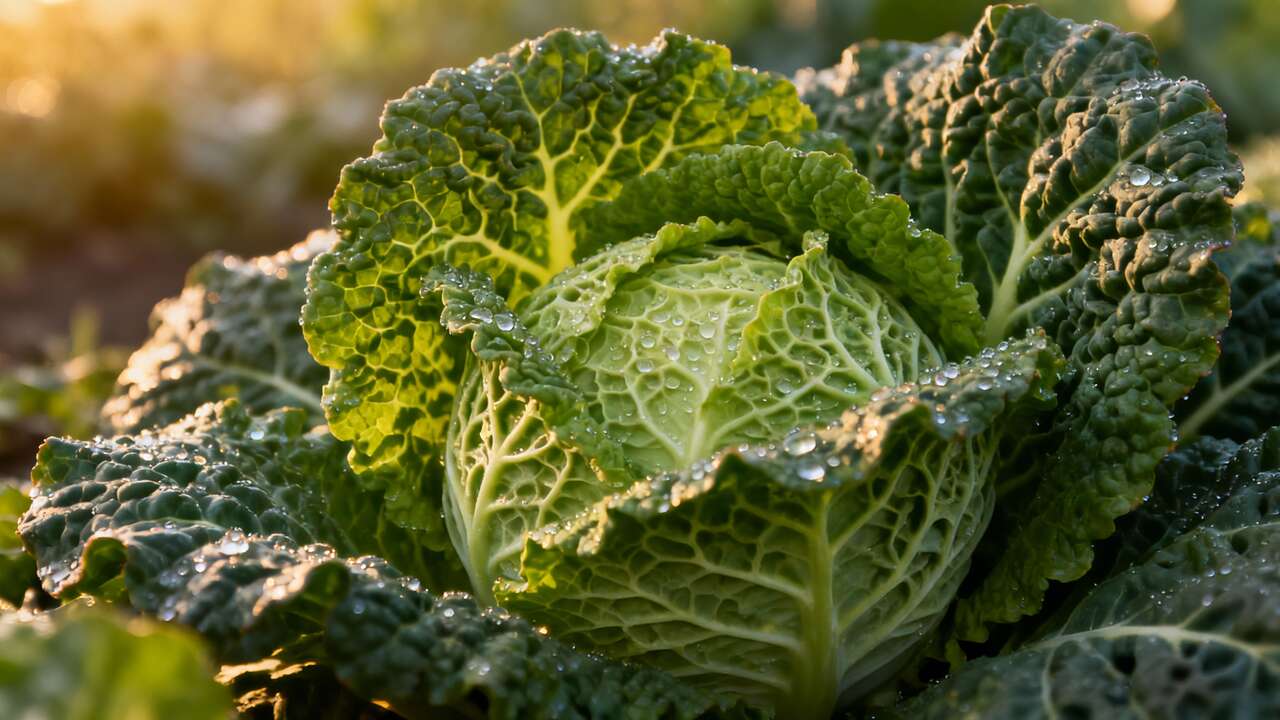

Renowned for its distinctly crinkled, tender leaves and a flavor that sweetens with the frost, savoy cabbage, Brassica oleracea var. sabauda, is a standout variety in the cruciferous family. Its unique texture and robust nature make it a favorite among both chefs and home gardeners. This guide offers a comprehensive look at the journey of cultivating savoy cabbage, providing the essential knowledge to transform a simple seed into a centerpiece for the dinner table, ensuring a successful and rewarding harvest.
Why Grow Savoy Cabbage
A Superior Choice for the Kitchen Garden
The primary appeal of savoy cabbage lies in its culinary versatility and exceptional flavor. Unlike its smooth-leafed cousins, savoy’s leaves are deeply wrinkled and less densely packed, resulting in a more tender texture when cooked. This makes it an ideal ingredient for a wide range of dishes, from hearty soups and stews to delicate slaws and stir-fries. Nutritionally, it is a powerhouse, offering significant health benefits. Its rich composition includes:
- Vitamin C: An essential antioxidant for immune system support.
- Vitamin K: Crucial for blood clotting and bone health.
- Dietary Fiber: Important for digestive health and regularity.
- Antioxidants: Compounds that help protect the body from cellular damage.
Growing your own ensures access to the freshest possible produce, maximizing both flavor and nutrient content right from your backyard.
Advantages in Cultivation
From a horticultural perspective, savoy cabbage presents several advantages that make it an excellent choice for gardeners. It is particularly noted for its cold hardiness, thriving in the cooler temperatures of spring and fall. In fact, a light frost is known to enhance its sweetness. This resilience makes it a reliable crop in many climates. Compared to other common cabbage varieties, it also exhibits a notable resistance to certain pests, reducing the need for intensive intervention.
| Cabbage Type | Cold Tolerance | Common Pest Resistance |
|---|---|---|
| Savoy Cabbage | High | Moderate |
| Green Cabbage | Moderate | Low to Moderate |
| Red Cabbage | Moderate | Low to Moderate |
Understanding these inherent benefits sets the stage for the first critical decision in the cultivation process: determining the optimal time to plant.
When to Plant Savoy Cabbage
Timing for a Spring Crop
To enjoy a harvest in late spring or early summer, timing is paramount. Savoy cabbage requires a long, cool growing season. For a spring crop, it is best to start seeds indoors approximately 6 to 8 weeks before the last expected frost date in your region. This head start allows the seedlings to develop in a controlled environment before being exposed to outdoor conditions. The young plants can then be transplanted into the garden 2 to 3 weeks before the final frost, as they are hardy enough to withstand a light freeze. This early start ensures the heads mature before the intense heat of summer, which can cause them to bolt or develop a bitter taste.
Planting for a Fall Harvest
Many gardeners consider the fall crop to be superior in flavor, as the heads mature during the cooling days of autumn. For a fall harvest, you can sow seeds directly into the garden or start them in pots in mid-to-late summer. The goal is to time the planting so that the heads reach maturity around the time of the first fall frost. This exposure to cold weather converts starches in the leaves to sugars, resulting in a noticeably sweeter cabbage. A general guideline is to plant approximately 10 to 12 weeks before your area’s average first frost date.
| Harvest Goal | Start Seeds Indoors | Transplant or Sow Outdoors | Estimated Harvest |
|---|---|---|---|
| Spring | Early March | Late April to Early May | Late June to July |
| Fall | Not applicable (direct sow) | Early to Mid-July | Late September to October |
With the ideal planting windows established for both spring and fall, the next consideration is selecting a suitable location to ensure the plants have the right environment to flourish.
Where to Grow Savoy Cabbage
Sunlight and Exposure
Savoy cabbage thrives in a location that receives full sun, which translates to a minimum of six hours of direct sunlight per day. While it can tolerate partial shade, insufficient light will likely result in slower growth and smaller, less compact heads. An open area with good air circulation is also beneficial, as it helps to prevent the development of fungal diseases that can occur in damp, stagnant conditions. Choosing a site that meets these light requirements is the first step toward a healthy crop.
Soil Requirements and Preparation
The foundation of any successful vegetable garden is the soil, and savoy cabbage has specific needs. It performs best in fertile, well-drained soil that is rich in organic matter. The ideal soil pH is slightly acidic to neutral, falling within the range of 6.0 to 7.0. Before planting, it is crucial to prepare the garden bed properly. This involves several steps:
- Enrich the soil by incorporating a generous amount of compost or well-rotted manure. This improves soil structure and provides essential nutrients.
- Loosen the soil to a depth of at least 12 inches to allow the root system to grow without restriction.
- If your soil is heavy clay, consider amending it with sand or peat moss to improve drainage, as cabbage roots are susceptible to rot in waterlogged conditions.
- Perform a soil test to check the pH level and adjust as needed with lime (to raise pH) or sulfur (to lower pH).
Once the perfect spot has been chosen and the soil has been meticulously prepared, you are ready for the hands-on task of planting the seeds.
How to Plant Savoy Cabbage Seeds
Sowing Seeds Indoors for Transplanting
Starting seeds indoors is the preferred method for the spring crop. Use seed trays or small pots filled with a quality seed-starting mix. Plant two to three seeds per cell at a depth of about a quarter-inch. Water gently and keep the soil consistently moist but not saturated. The seeds should germinate within 7 to 14 days. Once the seedlings emerge, place them under grow lights or in a sunny window. When they have developed two sets of true leaves, thin them to the strongest seedling per cell. Before moving them to the garden, it is essential to harden them off by gradually exposing them to outdoor conditions over a period of a week.
Direct Sowing and Transplanting in the Garden
For a fall crop, seeds can be sown directly into the prepared garden bed. Plant seeds about half an inch deep, spacing them a few inches apart. Once the seedlings are a few inches tall, thin them to their final spacing. If you are transplanting hardened-off seedlings, whether from an indoor start or a nursery, proper spacing is critical for head development. Inadequate space can lead to smaller heads and increased competition for resources.
| Spacing Type | Recommended Distance |
|---|---|
| Between Plants | 18 to 24 inches |
| Between Rows | 24 to 36 inches |
With the cabbage now planted, the focus shifts from establishment to the ongoing maintenance required to nurture the plants to maturity.
Care and Fertilization of Savoy Cabbage
Watering and Moisture Control
Savoy cabbage requires consistent and even moisture throughout its growing season to form large, healthy heads. The soil should be kept moist, but not waterlogged. A general rule is to provide about one to one-and-a-half inches of water per week, either from rainfall or irrigation. Applying a layer of organic mulch, such as straw or shredded leaves, around the base of the plants is highly beneficial. Mulching helps to retain soil moisture, suppress weed growth, and regulate soil temperature, creating a more stable growing environment.
Feeding and Nutrient Management
As a heavy feeder, savoy cabbage benefits from supplemental fertilization. It has a particular need for nitrogen to support its vigorous leafy growth. About three to four weeks after transplanting, you can side-dress the plants with a balanced organic fertilizer or a compost tea. A second application can be made about a month later as the heads begin to form. Be mindful not to over-fertilize with nitrogen, as this can lead to lush leaf growth at the expense of a solid head. Always follow the application rates recommended on the fertilizer product.
Managing Pests and Diseases
While savoy cabbage is relatively hardy, it can still fall prey to common garden pests. Proactive management is the best defense. Common issues include:
- Cabbageworms: These are the larvae of the cabbage white butterfly. They can be controlled by using floating row covers to prevent the butterflies from laying eggs or by hand-picking the caterpillars off the leaves.
- Aphids: Small insects that cluster on the undersides of leaves. They can often be managed with a strong spray of water or an application of insecticidal soap.
- Clubroot: A soil-borne disease that causes roots to become swollen and distorted. The best prevention is to ensure a proper soil pH (above 6.8) and practice crop rotation, avoiding planting brassicas in the same spot for at least three years.
After a season of diligent care, watering, and protection, the plants will be ready for the most satisfying stage of the process: the harvest.
Harvesting and Storing Savoy Cabbage
Identifying the Peak of Ripeness
Harvesting at the right moment is key to enjoying the best flavor and texture. Savoy cabbage is typically ready to harvest 70 to 90 days after transplanting. The primary indicator of maturity is the head itself. It should feel solid, firm, and heavy for its size when squeezed gently. Do not rely on size alone, as a large but loose head is not yet ready. For fall crops, you can wait until after the first light frost, which will sweeten the leaves considerably.
The Art of the Harvest
To harvest, use a sharp, sturdy knife to cut the cabbage head at its base, just above the soil line. It is best to leave the stalk and the large, outer wrapper leaves in the ground. In some cases, this stump may sprout several small, secondary heads, providing a bonus mini-harvest later in the season. Harvest in the cool of the morning if possible, as this is when the leaves are most crisp and hydrated.
Proper Storage Techniques
Freshly harvested savoy cabbage can be stored for several weeks under the right conditions. Its crinkled leaves are more perishable than those of smooth-headed varieties, so proper storage is important to maintain quality.
| Method | Location | Expected Duration | Notes |
|---|---|---|---|
| Short-Term | Refrigerator Crisper Drawer | 2 to 4 weeks | Do not wash before storing. Place in a perforated plastic bag. |
| Long-Term | Root Cellar | 2 to 3 months | Requires high humidity and temperatures just above freezing (32-40°F). |
Properly stored, your homegrown savoy cabbage will be available for use in the kitchen long after the gardening season has ended.
Successfully growing savoy cabbage is an achievable goal for any gardener willing to invest in proper planning and care. By understanding its needs—from the right time and place to plant, to consistent watering and nutrient management—you can cultivate this exceptionally flavorful and nutritious vegetable. The journey from a tiny seed to a firm, crinkled head on the dinner table offers a deep sense of accomplishment and provides fresh, healthy produce that is unmatched by store-bought alternatives.

- Why experts say you should open your windows when it rains—even if it feels wrong - 10 November 2025
- The ultimate ground cover: why Pachysandra beats weeds and shrugs off winter cold - 10 November 2025
- The secret to attracting robins year-round: why experts swear by these two must-have garden plants - 10 November 2025
Pubblicazioni simili :
 How to Grow Thyme Indoors: A Complete Guide to Growing Herbs in Pots
 How to Grow Parsley, Coriander, and Cilantro in Containers: A Complete Kitchen Garden Guide
 How to Grow Ginger Anywhere: A Complete Guide for Every Home Gardener
 Growing a Pink Lady Apple Tree in Your Backyard Orchard: A Complete Guide